Maine Prisoners Organize to Protect Their Rare Right to Vote
August 7, 2026 | Maine abolished parole in 1976, but that might change soon.
Some state lawmakers have been seeking to restore parole and an election this year could prove pivotal: Democratic Governor Janet Mills, who opposes parole and has threatened to veto parole legislation, is nearing the end of her time in office. The polling favorite to replace her, Democrat Hannah Pingree, supports reinstating parole, which she says could encourage prisoners to work toward rehabilitation.
Opinion: Maine Democratic Party needs plan for incarcerated voters in Senate nomination process
July 14, 2026 | Over 600 members will cast their votes at a convention to nominate a Democratic candidate for Maine for US Senate, with disabled members participating remotely. As a part of the party’s commitment to inclusion, they took care to ensure that “no individual is denied the opportunity to take part in the Convention … as a result of any physical disability.”
Physical disability is not the sole barrier to voting in Maine. Ours is one of two states where people can enroll in a political party and vote while incarcerated. Will Democrats be able to participate in this convention from the inside of a detention facility?
Maine was the first state to abolish parole. Incarcerated Mainers, advocates hope to bring it back.
February 5, 2026 | Incarcerated Mainers can get college degrees, earn wages through remote work and vote. There’s universal access to medication for opioid use disorder in the state’s prisons, along with mental health services, collaborations with victim service organizations and reimagined living spaces to support rehabilitation.
These opportunities for personal growth helped establish the “Maine Model of Corrections” as one of the country’s most restorative programs, with a revised mission to make communities safer by helping incarcerated people transform their lives.
“But then, to what end?” asked Brandon Brown, who does criminal legal reform work and who once was incarcerated.
Brown is among those — including current and formerly incarcerated people, lawmakers and criminal justice advocates — who are pushing for Maine to reinstate parole, a conditional early release the state abolished roughly 50 years ago. Maine was the first state to do so and one of 16 that remains without such a system today.
Opinion: Maine’s legal system desperately needs a makeover
January 15, 2026 | Passing the parole, ombudsman and clean slate bills and creating an independent statewide public defense system can help right the ship.
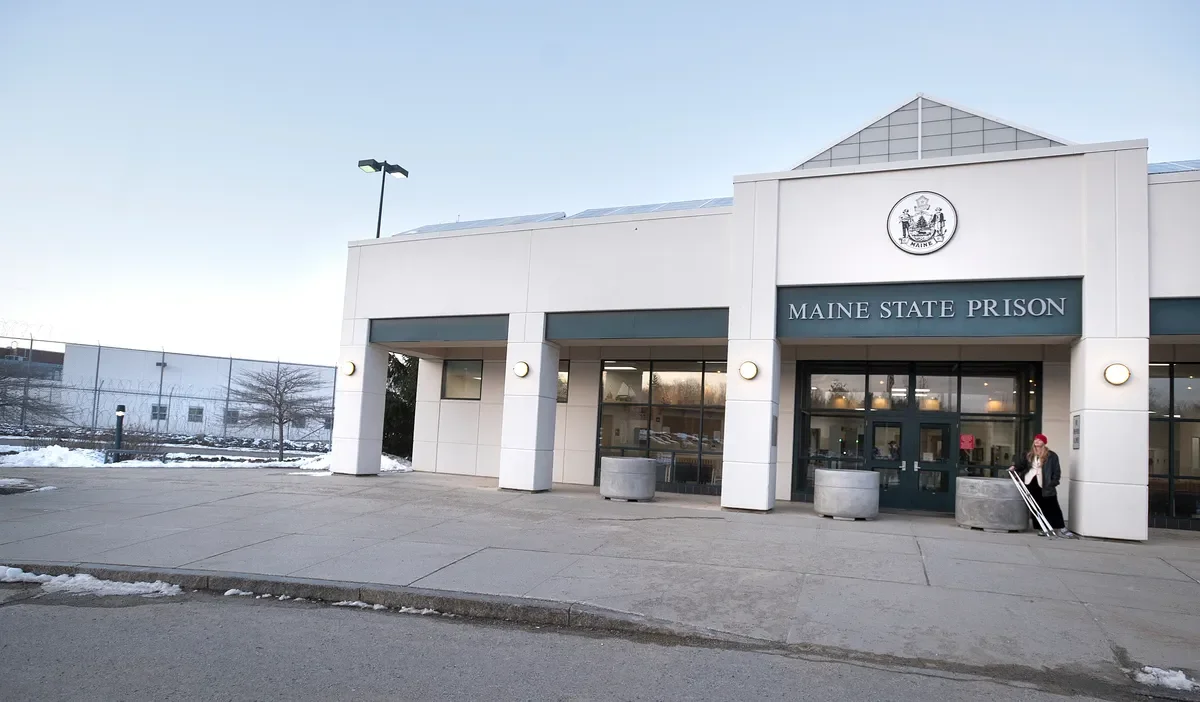
Opinion: Maine should bring back parole
January 8, 2026 | If prisons made us safer, the United States would be the safest country in the world. Instead, we have the largest incarcerated population on the planet — and we are not safer for it.
Maine abolished parole in 1976, becoming the first state to do so. Sixteen others followed. As a result, average prison sentences here increased by roughly 20%, making Maine one of the harshest sentencing states in the nation. Today, our prison population is more than three times larger than it was in 1976, and it is aging rapidly.
Sentence Review: LD1941: An Act to Implement Recommendations of the Commission to Examine Reestablishing Parole
January 7, 2026 | On Thursday, January 8th the Judiciary Committee will be hearing public testimony for LD1941: An Act to Implement Recommendations of the Commission to Examine Reestablishing Parole at 10am, Rm 438, of the State House in Augusta, ME.

Maine Needs to Bring Back Parole
January 5, 2026 | The state does not allow prisoners to earn an earlier release date through education, employment, and self-improvement.
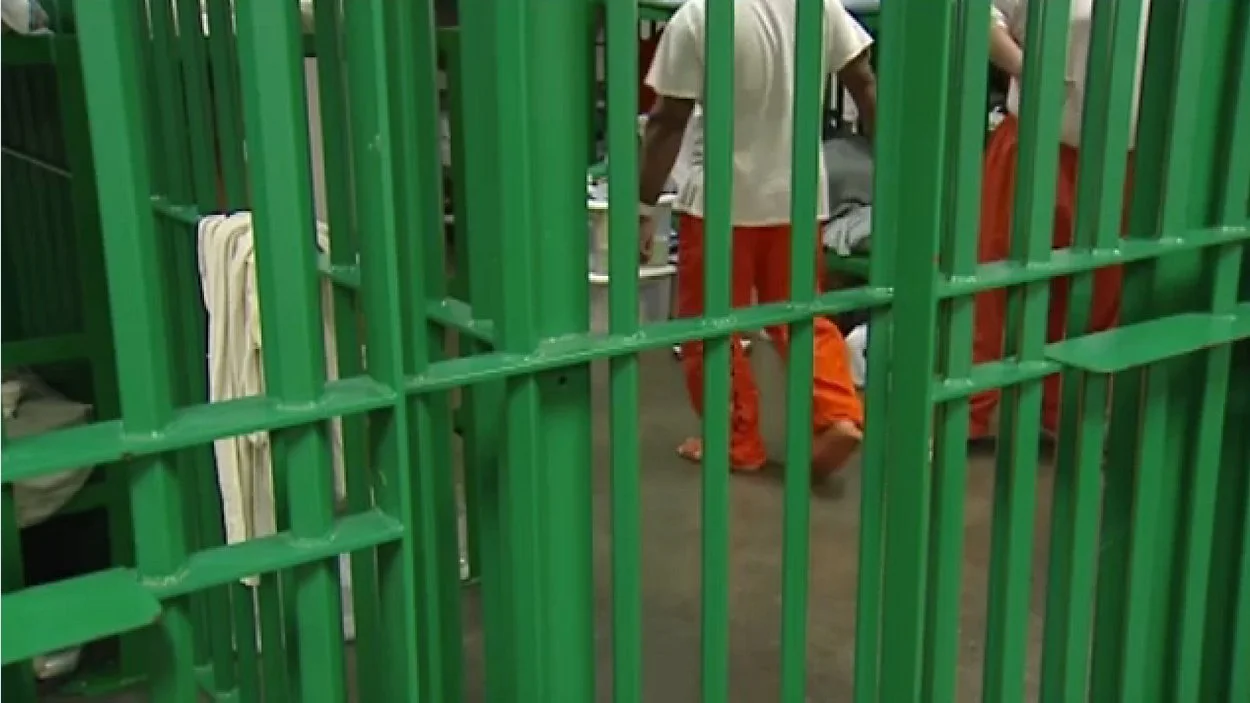
Maine lawmakers consider reestablishing parole
November 13, 2025 | Maine lawmakers are once against considering legislation that would reestablish a parole system in Maine.
The state stopped offering parole in 1976 and now has a Supervised Community Confinement Program that allows some prisoners near the end of their sentences to be supervised in the community.
But supporters of LD 1941, a bill to reestablish parole in Maine, say the current system doesn’t go far enough to address the high cost of incarcerating people, particularly those who are older, need medical care and no longer pose a danger to the public.

VIDEO: “Why Maine Needs Parole”
November 21, 2024 | Parole4Maine supporter Nicole Lund and Parole4Maine Board Member Jan Collins present at the University of Maine at Farmington on reinstating parole in Maine.
Cameras: Andre Cormier, Trinity Smith
Editing: Andre Cormier
Audio/Visual: Adin Merritt
Special thanks to University of Maine at Farmington, the staff of the Emery Center and Mt. Blue TV.

Why Do We Need Parole in Maine?
WMPG - Justice Radio
Hosted by Linda Small (Executive Director, Reentry Sisters) and Nicole Lund.
Interview explores an art and humanities project called “Still Becoming” for justice-impacted women and their families in Maine.

The Case for Second Chances: A Pathway to Decarceration in Maine
Maine Law Review (2024)
Abstract: The Article argues that Maine incarcerates too many people, for too long, for too many things, at too great of an expense. We offer evidence to support this claim, briefly review some of the criminal legal legislation that shaped our present reality, and show how recent efforts at reform have been, at best, only modestly successful. In concert with a growing number of expert voices across the country calling for strategies of decarceration, our goal is to demonstrate the need for second chance legislation in Maine in the form of the reinstatement of parole, an effective clemency process, a far-reaching reevaluation of custody levels, and a new revision of the Maine Criminal Code. We argue that Maine needs a restorative pathway to decarceration that would meaningfully reduce the number of people in prison and recidivism rates, while emplacing broader and more effective responses to harm than that afforded by incarceration alone.
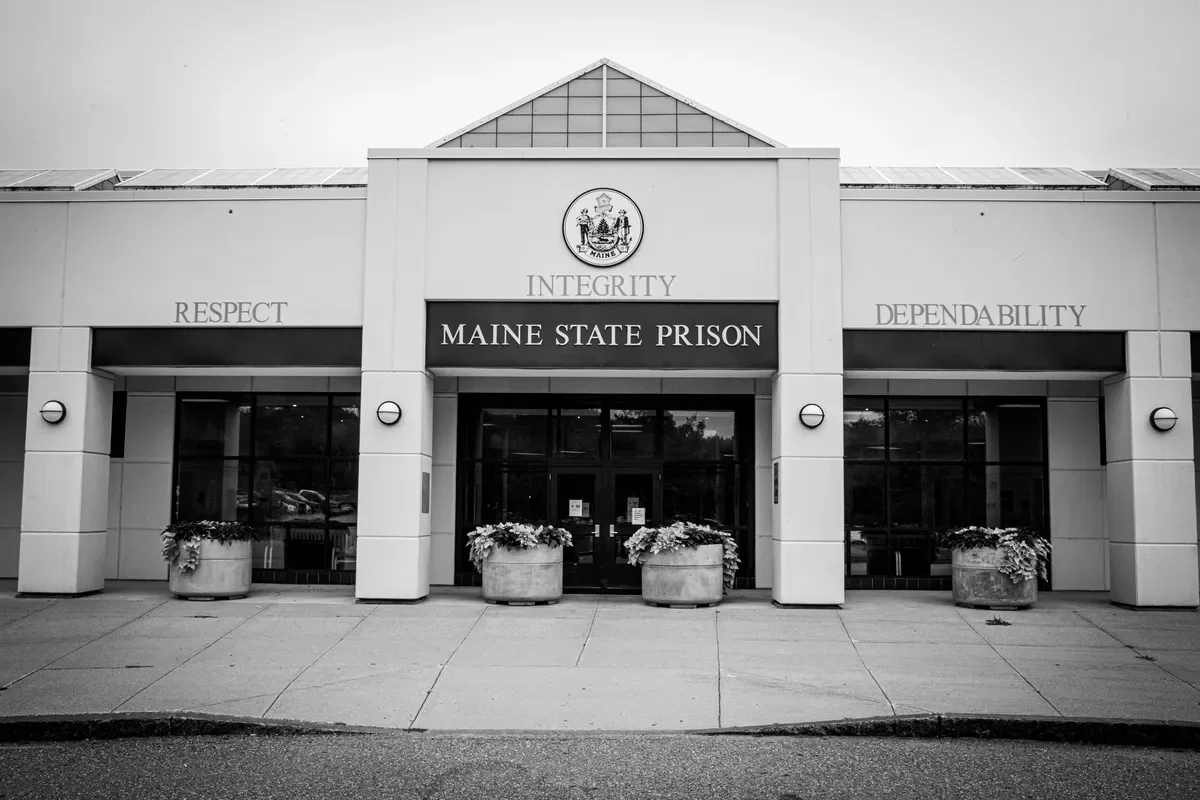
It’s Time to Bring Back Parole in Maine
June 13, 2023 | In 1976, the Legislature made the decision to eliminate parole in the state of Maine, believing, at the time, that more transparent sentencing guidelines made parole unnecessary.
Forty-seven years later, we can now see that a comprehensive set of guidelines to sentencing may, alone, not actually be the best approach. Consider the current picture of our incarcerated population, and the challenges and stresses it places on our law enforcement infrastructure. Given the nature of the offenses for which we currently lock up a large number of Mainers, we all deserve an opportunity to rethink the state’s current position about parole.
That’s why LD 178, An Act to Support Re-entry and Reintegration into the Community, deserves our support.

In This Season of Second Chances, Let’s Bring Back Parole in Maine
May 3, 2023 | With spring upon us, our attention turns to the rebirth of the world around us. To many, spring offers a renewal of hope. Spring brings with it the anticipation of warmer days ahead, of flowers and veggies that will sprout, of the home repairs that will be completed and of summer visits with family and friends that will be planned.
…
Here in Maine, April brought the introduction in the Maine Legislature of L.D. 178, An Act to Support Reentry and Reintegration into the Community. L.D. 178 would reinstate parole, which Maine abolished in 1976, in the form of a supported pathway to reentry. The bill would open an opportunity for incarcerated community members who qualify to serve out the remainder of their sentences in the community, under the supervision of the Department of Corrections, rather than in prison. It would offer an opportunity for renewed hope.
Asserting the Voices of All Crime Survivors
April 7, 2023 | Maine’s criminal legal system harms everyone, regardless of which side of the bars you’re on. This month I’m using my column space to uplift and honor the voice of Lane Lewis Israeli, one of the numerous survivors of violence who spoke in favor of LD 178 (“the Parole Bill”) at the State House last month. What follows is the powerful voice of a trauma-healing colleague, survivor, and friend.
Reviving Parole Would Put Emphasis on Rehabilitation
April 5, 2023 | Is prison a place for punishment or rehabilitation? That is the question at the heart of a debate in the Maine Legislature over a bill to revive parole in the state.
To answer that question, consider that almost every person incarcerated in Maine will one day return to their communities, their families and maybe their workplaces. Given this reality, ensuring those who are incarcerated receive the counseling, education and other support they need must be a priority.
Parole can be one piece of this puzzle.
Note: The BDN Editorial Board operates independently from the newsroom, and does not set policies or contribute to reporting or editing articles elsewhere in the newspaper or on bangordailynews.com.

Maine Voices: Incarcerated Students Are Living Proof of the Value of Parole
March 14, 2023 | There are 1,675 people incarcerated in Maine and not one of them is eligible for parole.
When Maine abolished parole in 1976, the state began enacting some of the harshest sentencing practices in the country and eliminated any feasible path toward rehabilitation and reentry. That’s why I support L.D. 178: An Act to Support Re-entry and Reintegration into the Community, so those incarcerated in Maine will have a clear incentive for personal transformation, a structured course for reentry and a second chance for redemption. Good time credit can be earned through educational and vocational programming, but it only takes a few days a month off a sentence; for a lengthy sentence that accrued time would be negligible. According to research and advocacy center The Sentencing Project, lengthy sentences do nothing to reduce crime rates, and those with longer sentences who’ve committed violent crimes are the least likely to reoffend, so they would benefit most from the possibility of parole.
Maine Parole Commission Recommends Restoring Parole for State Prison Inmates
February 22, 2023 | A special commission that studied parole is recommending the Maine State Legislature and Governor Janet Mills renew parole, after a 47-year absence in the state, so more Maine inmates can leave prison before their sentences are complete.
Seven of the twelve members of the Commission To Examine Reestablishing Parole voted to restore parole, while two dissented, and three abstained, upon release of the commission’s report, which followed months of research and hearings.
Maine banned parole in 1976, when the state became the first in the nation to outlaw it, and 15 other states have followed suit.
Mills and the legislature established the commission last year to reconsider that policy.
Arthur C. Jones, of Belfast, a commissioner who spent 35 years on parole boards – 28 years in New Jersey and 7 in Rhode Island -- said in an interview via Zoom, he thinks inmates should be eligible for parole after serving one-third of their sentence, if they have a clean record behind bars, have expressed remorse, have undergone rehabilitation, and have a plan for when they get out.